Oceans cover most of the planet and move heat around the globe.
Scientists study currents to understand the climate system.
COVID-19 is a contagious disease caused by the coronavirus SARS-CoV-2. In January 2020, the disease spread worldwide, resulting in the COVID-19 pandemic.
The symptoms of COVID‑19 can vary but often include fever,[7] fatigue, cough, breathing difficulties, loss of smell, and loss of taste.[8][9][10] Symptoms may begin one to fourteen days after exposure to the virus. At least a third of people who are infected do not develop noticeable symptoms.[11][12] Of those who develop symptoms noticeable enough to be classified as patients, most (81%) develop mild to moderate symptoms (up to mild pneumonia), while 14% develop severe symptoms (dyspnea, hypoxia, or more than 50% lung involvement on imaging), and 5% develop critical symptoms (respiratory failure, shock, or multiorgan dysfunction).[13] Older people have a higher risk of developing severe symptoms. Some complications result in death. Some people continue to experience a range of effects (long COVID) for months or years after infection, and damage to organs has been observed.[14] Multi-year studies on the long-term effects are ongoing.[15]
COVID‑19 transmission occurs when infectious particles are breathed in or come into contact with the eyes, nose, or mouth. The risk is highest when people are in close proximity, but small airborne particles containing the virus can remain suspended in the air and travel over longer distances, particularly indoors. Transmission can also occur when people touch their eyes, nose, or mouth after touching surfaces or objects that have been contaminated by the virus. People remain contagious for up to 20 days and can spread the virus even if they do not develop symptoms.[16]
Testing methods for COVID-19 to detect the virus’s nucleic acid include real-time reverse transcription polymerase chain reaction (RT‑PCR),[17][18] transcription-mediated amplification,[17][18][19] and reverse transcription loop-mediated isothermal amplification (RT‑LAMP)[17][18] from a nasopharyngeal swab.[20]
Several COVID-19 vaccines have been approved and distributed in various countries, many of which have initiated mass vaccination campaigns. Other preventive measures include physical or social distancing, quarantining, ventilation of indoor spaces, use of face masks or coverings in public, covering coughs and sneezes, hand washing, and keeping unwashed hands away from the face. While drugs have been developed to inhibit the virus, the primary treatment is still symptomatic, managing the disease through supportive care, isolation, and experimental measures.
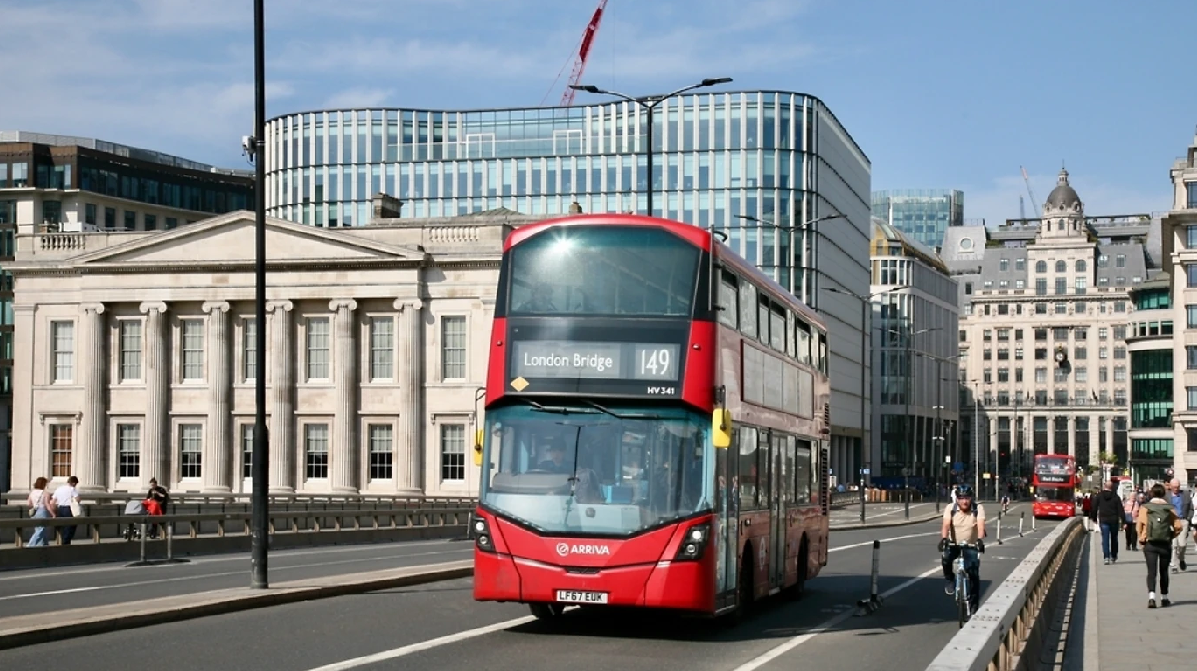
London bus passengers will pay more for their journeys from 1 November 2026, as Transport for London (TfL) introduces new bus and tram fares. The change ends a fare freeze that has kept the standard adult single fare at £1.75 since March 2023.
Under the revised pricing, the standard adult pay-as-you-go fare will increase by 10p to £1.85. The daily bus and tram fare cap will also rise, meaning regular commuters and visitors should review their travel budgets before using London’s public transport network.
The good news is that the Hopper fare will continue, allowing eligible passengers to make unlimited bus and tram journeys within one hour of their first paid journey for the cost of a single fare.
Here is a complete guide to the new London bus fares, tram ticket prices, daily caps, weekly passes and what passengers need to know before travelling.
| Information | Details |
| Fare change date | 01-Nov-26 |
| Transport operator | Transport for London (TfL) |
| Adult single bus fare | £1.85 |
| Previous adult single fare | £1.75 |
| Daily bus and tram cap | £5.55 |
| Previous daily cap | £5.25 |
| 7-day Bus & Tram Pass | £26.10 |
| 1-day Bus & Tram Pass | £6.40 |
| Hopper fare | Unlimited eligible transfers within one hour |
| Official information | Transport for London |
The new London bus and tram fares will affect passengers paying as they go and those purchasing bus and tram passes.
The adult single fare is increasing by 10p, while the daily cap will rise by 30p. Passengers who regularly use buses may also notice the increase in the cost of weekly and daily passes.
| Ticket Type | Current Fare | New Fare from November 2026 | Increase |
| Adult single pay-as-you-go | £1.75 | £1.85 | £0.10 |
| Daily bus and tram cap | £5.25 | £5.55 | £0.30 |
| 7-day Bus & Tram Pass | £24.70 | £26.10 | £1.40 |
| 1-day Bus & Tram Pass | £6.00 | £6.40 | £0.40 |
From 1 November, an adult paying for a single bus or tram journey using an eligible pay-as-you-go method will pay £1.85 instead of £1.75.
For someone making two separate paid journeys a day, the cost would increase from £3.50 to £3.70. Over 20 commuting days, that represents an additional £4, assuming the passenger makes two paid journeys each day and does not benefit from other concessions or fare arrangements.
Passengers who make several journeys in a day should also consider the daily cap, which limits the amount charged for eligible bus and tram travel.
The Hopper fare allows passengers to make unlimited eligible bus and tram journeys within one hour of the first paid journey for the price of one fare.
👉 From 1 November 2026, the single fare covered by the Hopper system will be £1.85.
Passengers should use the same payment method for their journeys and follow TfL’s ticketing rules to ensure the correct fare is charged.
The Hopper fare can be useful for commuters who need to change buses to reach work, school or other destinations.
The daily bus and tram cap will rise from £5.25 to £5.55 on 1 November 2026.
This cap limits the amount passengers pay for eligible bus and tram journeys within the relevant daily capping period when they use an eligible pay-as-you-go payment method.
For frequent travellers, the cap can be more economical than paying separately for every journey.
For example, three adult single fares at the new price would total £5.55. Passengers making additional eligible journeys within the applicable capping period would not pay more than the daily cap for those journeys.
Yes. The published fare changes also affect some discounted and concessionary pay-as-you-go fares.
Eligible passengers using concession cards, including certain 16+ Zip Oyster and Jobcentre Plus card arrangements, will see increases of 5p in the relevant fares.
The approved changes also set half-adult and child bus and tram fares at 90p from 1 November 2026.
However, not every concession is changing. Existing concessionary travel arrangements remain in place, including qualifying free travel schemes for older and disabled Londoners. Eligibility and time restrictions may apply, so passengers should check the relevant TfL guidance.
The November change covered here applies to bus and tram fares.
According to the published announcement, Tube fares are not changing as part of this November bus and tram increase. Separate Tube and rail fare arrangements should be checked through TfL before travelling, as they may have different prices, caps and effective dates.
Passengers who use buses alongside the Underground should check the relevant ticket and capping rules for their complete journey.
Passengers can use eligible contactless payment cards, compatible mobile devices or Oyster cards for London bus travel.
Before boarding, make sure you have an accepted payment method and use it consistently for eligible transfers and daily capping.
Cash is not accepted on London buses, so passengers should arrange a suitable payment option before travelling.
For current payment rules, visit the official TfL fares and ticketing website.
The fare increase follows an extension of the bus and tram fare freeze until 1 November 2026.
The Mayor of London had extended the freeze to help manage transport costs, particularly for residents on lower incomes. The revised fares introduce an overall increase of approximately 5.7% across the affected bus and tram fares, although individual ticket changes vary.
TfL says fare revenue supports the operation and improvement of London’s transport services.
The increase is the first rise in London bus and tram fares since March 2023.
Passengers can take a few practical steps to manage their travel expenses after the new fares take effect.
Use the Hopper fare: Make eligible transfers within one hour to avoid paying a separate single fare for each journey.
Check the daily cap: Frequent bus users may benefit from the £5.55 daily cap.
Compare passes: If you travel regularly, compare the 1-day and 7-day Bus & Tram Pass prices with your expected journey costs.
Check concessions: See whether you qualify for discounted or free travel.
Use one payment method consistently: This helps eligible journeys qualify for the relevant fare calculations and caps.
1. When will London bus fares increase in 2026?
2. How much is a London bus ticket from November 2026?
3. What is the new London bus daily cap?
4. How much is a 7-day London Bus & Tram Pass?
5. Will the London Hopper fare continue?
6. Will children’s bus fares increase?
7. Are Tube fares increasing on 1 November 2026?
8. Where can I check the latest London bus fares?
Final Thoughts
The London bus fare increase from 1 November 2026 will raise the adult single fare to £1.85 and the daily bus and tram cap to £5.55. Weekly and daily Bus & Tram Pass prices will also increase.
Although the changes are relatively small for an individual journey, regular commuters may notice the difference over a month. Understanding the Hopper fare, daily cap and available concessions can help passengers plan their journeys more economically.